 SHANGHAI PROGRAM 2026
The Arch: 6 Days + 5 Nights China Innovation Residency in Shanghai
The Arch brings international founders, investors, corporate venture teams, and innovation leaders into Shanghai's AI ecosystem for one focused week. The program follows how ideas move from models and research into products, established businesses, and real operating environments. Company visits, founder showcases, research sessions, and private conversations are designed to help participants connect technical progress with the decisions that shape adoption and growth.
Foundation models, AI-native products, university research, and the next generation of founders.
AI for Science, investment judgment, commercialization, and products designed for international users.
1 / A CONNECTED VIEW OF CHINA'S AI ECOSYSTEM
How the week connects together
The schedule brings model teams, cloud platforms, enterprise software companies, universities, young founders, and investors into one sequence. Each visit adds context to the next, making it easier to see how technical choices change once a product meets customers, operations, regulation, and cost.
The week begins with the digital foundations of intelligent manufacturing, then moves into models, enterprise AI, travel, health, content, and workplace tools. Research institutions and early-stage product teams add a view of what may come next.
Executives will explain how new systems enter established organizations. Researchers will discuss how scientific work is validated and transferred, while founders will share how products are shaped around early users and global markets. These conversations give participants a stronger basis for partnership, investment, and market decisions.
2 / WHAT YOU WILL GAIN
A practical view you can use
By the end of the week, participants will have a working map of China's AI ecosystem and a clearer view of the teams, technologies, and operating models worth following. The program is built to support product, investment, partnership, and market decisions after the visit.
See where foundation-model companies, cloud platforms, enterprise software providers, AI-native startups, universities, and investors sit in the wider market. The week also shows how talent, customers, technical resources, and capital move between them.
The program looks closely at how Chinese companies adopt AI in manufacturing, travel, health, content, and workplace settings. Participants will hear where adoption begins, which processes need to change, how teams manage cost and data, and what helps a pilot become a product that can be used repeatedly.
Founder showcases, company visits, research sessions, and roundtables create several points for direct conversation. Some may lead to product pilots, joint development, market partnerships, investment discussions, or talent introductions. The Arch team will help carry forward the most relevant introductions after the week.
Day-by-day
The Shanghai program brings together company visits, research sessions, founder showcases, roundtables, and cultural experiences. Each day builds on the previous one, giving participants time to compare different parts of the ecosystem, ask better questions, and continue valuable conversations throughout the week.
Please note: Each session is arranged directly with the companies and institutions involved. As many visits depend on the schedules of senior leaders and operating teams, the order of the programme and exact meeting times may be adjusted closer to the date. Any updates will stay aligned with the focus and quality of the Shanghai week. Participants will receive the complete schedule, meeting details, and preparation notes before the programme begins.
The first afternoon is intentionally light, giving participants time to arrive, settle in, and get to know the group. The Arch team will also speak with each person about the products, markets, and questions they want to prioritize during the week. Accommodation arrangements for one-week participants will be confirmed separately.

The week opens with a hosted dinner and the first full introduction to the group. Founders can share what they are building, investors can explain the themes they are following, and corporate leaders can outline the technologies or partnerships they are looking for. These early conversations help shape more relevant introductions throughout the week.
Before the first company visit, The Arch team will begin with one question: What brought you to China's AI ecosystem, and what do you most want to see for yourself?
The session will map the key players shaping the market, from foundation models and cloud platforms to enterprise software, research institutions, and sector-specific applications. It will also connect these areas to the week ahead, helping participants understand why each visit matters and arrive with sharper questions.
There also will be an icebreaker that gives everyone a chance to introduce their background, making it easier to get to know each other.
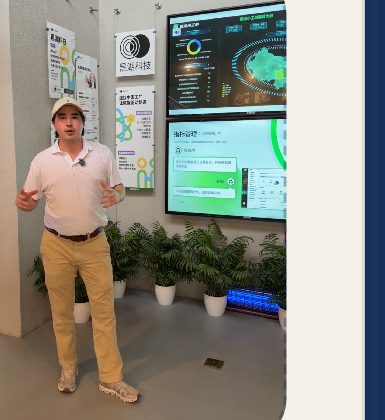
Founded in 2016, Black Lake Technologies is a leading cloud-native company helping factories and supply chains move through digital transformation, with over US$100 million raised to date.
The visit will begin in the company showroom, where participants can see how industrial software connects production planning, equipment management, quality control, and frontline teams through real factory use cases. The session will show where digital transformation usually begins, which workflows tend to change first, and where AI is starting to enter day-to-day production.

The day winds down with a gentle walk along Suzhou Creek, one of Shanghai's most atmospheric waterfronts. Along the way, the group can enjoy the river views and see restored industrial buildings, tree-lined paths, bridges, cafés, and creative spaces come together.
It is also a quieter moment to continue the day's conversations and get to know one another beyond the formal program. A shorter route will be available for those who prefer a more relaxed pace.
Shanghai Foundation Model Innovation Center is China's first innovation community dedicated entirely to foundation models and generative AI. It has already brought together more than 300 AI companies, all focused on generative AI, making it one of the country's most concentrated foundation-model clusters.
During the visit, participants will tour the space, see live product demos, and speak directly with founders. It is a chance to compare different technical paths and product ideas in one place, and to see which model capabilities are already attracting real users and growing into new companies.
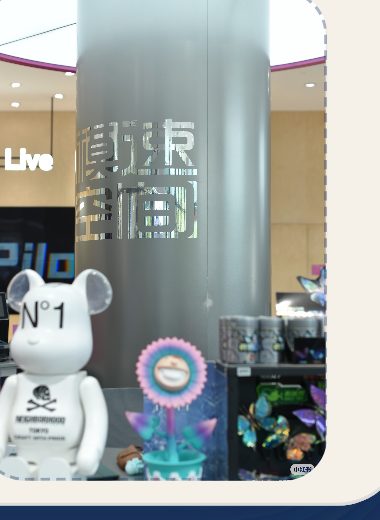
Founded in 2009, Alibaba Cloud is Alibaba Group's cloud and AI platform and one of China's leading providers. It is the earliest cloud in China. In Chinese people's daily life, it supports everything from Taobao and Tmall to public services, traffic systems, and industrial digitization, offering a practical view of how China's digital economy operates at scale.
During the visit, we'll explore model deployment, agent development, and enterprise integration, along with the real challenges around reliability, data security, and cost. Participants will see how cloud and foundation models become products used by millions and deployed in real operations.

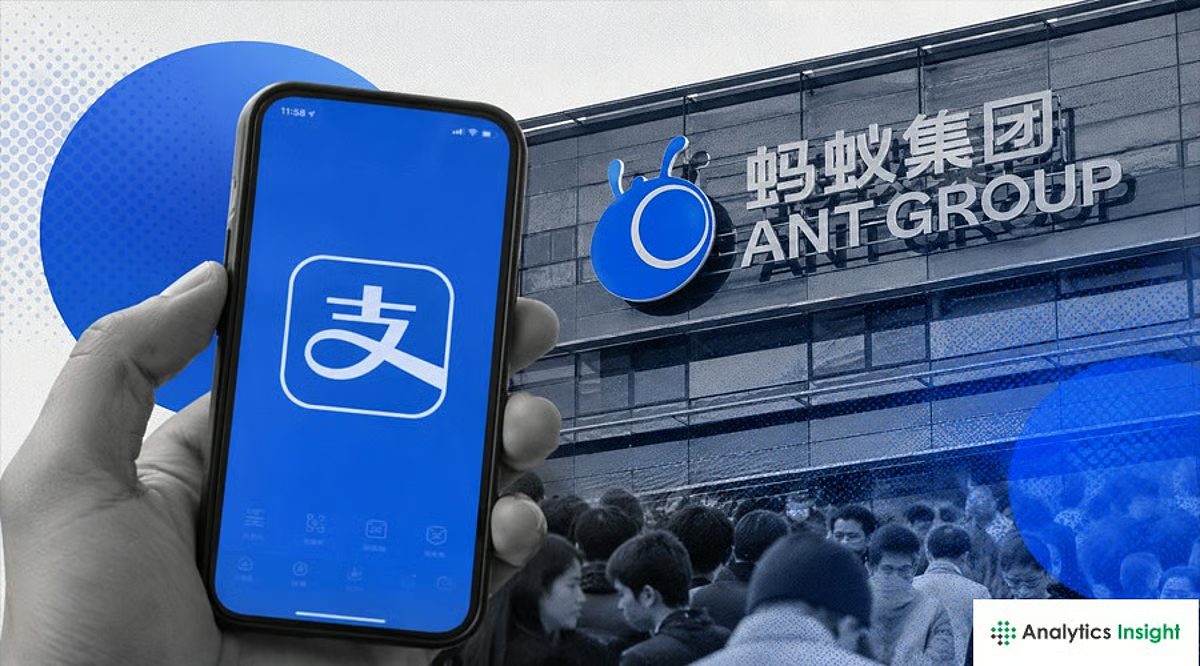
Ant Group is best known for Alipay, one of China's most widely used digital payment platforms. With years of experience in high-frequency digital services, Ant offers a different view of AI, one shaped by sensitive data, risk management, and user trust. During our visit, Ant's product and technology teams will share how AI is being used in healthcare and digital services, how new products are tested, and how they are integrated into mature platforms. Participants will see what a large consumer platform needs to validate before an AI product is ready for everyday use.
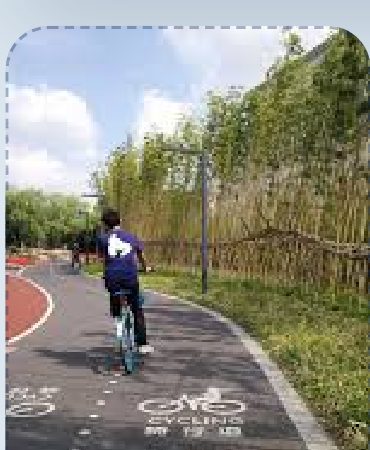
The evening slows down with a relaxed ride along Shanghai's riverfront, taking in open views of the water, city lights, and the changing skyline. It is a chance to step away from the formal schedule, enjoy the city, and let the day's ideas settle. Along the way, participants can continue conversations in a more casual setting and get to know one another beyond the company visits. Walking and sightseeing alternatives will also be available.
Shanghai Innovation Institute is a new education and research platform built for the AI era. Within its first year, it released seven frontier AI projects, including several world-first breakthroughs.
HKUST's School of Engineering ranks No. 33 globally in the 2027 QS Engineering and Technology rankings. Its Shanghai Center connects university research with startups, industry, and commercialization across the Yangtze River Delta. We will take the group inside both institutions to see how research teams access data and computing power, work with companies, and turn promising ideas into real products.
Located inside Beiyang AI Town, the HongShan China Innovation Accelerator is built for young AI founders and early-stage teams. It offers much more than office space, bringing together startup courses, recruiting support, research commercialization, and incubation resources in one low-cost, high-density environment.
During the visit, we will meet the team behind the accelerator and see how they work with founders at the earliest stage. The conversation will cover how investors spot real technical differentiation, read early market signals, and decide what a team needs to prove before it is ready for the next stage of growth. For anyone interested in startup building or early-stage investment, this visit offers a practical look at how young AI teams in China move from an early idea toward a real company.

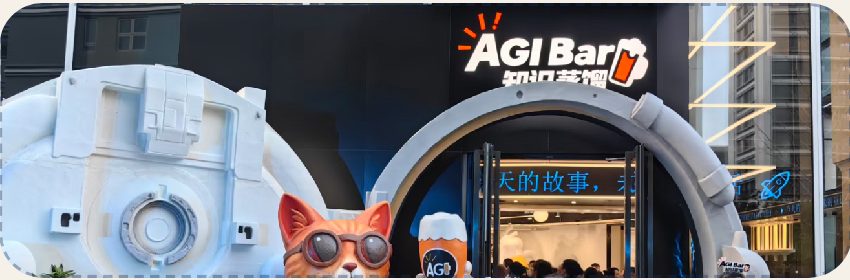
Curious what China's post-2005 builders are working on, or what standout projects led by founders born after 2000 look like? This afternoon-to-evening program brings together visual agents, smart glasses, workplace AI hardware, wearables, and other products that connect software with the physical world. Participants will see live demos, meet the teams behind them, and hear how these young builders choose ideas, find collaborators, test products, and think about global users from an early stage. The conversation will continue into the evening, offering a closer look at both the products being built and the people shaping China's next generation of AI companies.
Founded in 1999 and headquartered in Shanghai, Trip.com Group is one of China's leading online travel companies. Its services reach more than 200 countries and regions, with over 400 million registered users worldwide. Every day, the platform handles huge volumes of travel searches, bookings, and customer requests across different languages and markets. During the visit, we'll explore real business areas such as inbound travel, international flights, personalized recommendations, and global customer support, and see how AI is integrated into an established travel platform.
For anyone building products for international users, this visit offers a practical look at how a Chinese company designs and operates across different markets.

Founded in 2014, SenseTime is one of China's leading companies in multimodal foundation models. Its SenseNova V6.5 model has made advances in reasoning across both text and images, while generative AI now accounts for more than 63% of the company's revenue. SenseTime also offers a useful view of what it takes to move AI beyond a model demo and into real enterprise use.
During the visit, the team will explain how computing power, model services, and application tools come together in a deployable solution. We'll also discuss data preparation, system architecture, performance, and long-term maintenance, helping participants understand the technical and operational challenges companies face when adopting AI.

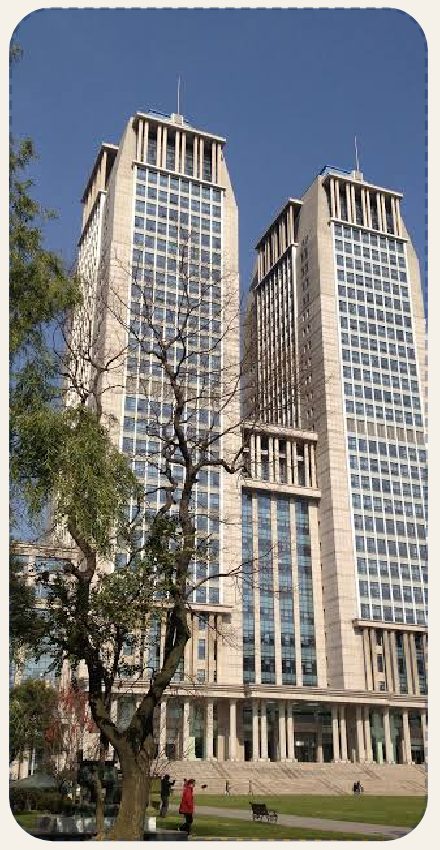
Fudan University and the Shanghai Academy of AI for Science bring together top research in life sciences, medicine, computing, and AI to explore how technology can accelerate real scientific discovery.
The afternoon begins with a simple question: Can AI really begin to do science? With an initial focus on life sciences, researchers and translational teams from Fudan University and the Shanghai Academy of AI for Science will share how AI is being used to analyze scientific data, build models, support experimental validation, and move promising research closer to practical application.
The conversation will then expand to founders, investors, researchers, and science communicators, exploring what it takes for scientific work to leave the lab. Topics will include access to data and compute, research commercialization, and where startups or companies can begin working with research institutions.
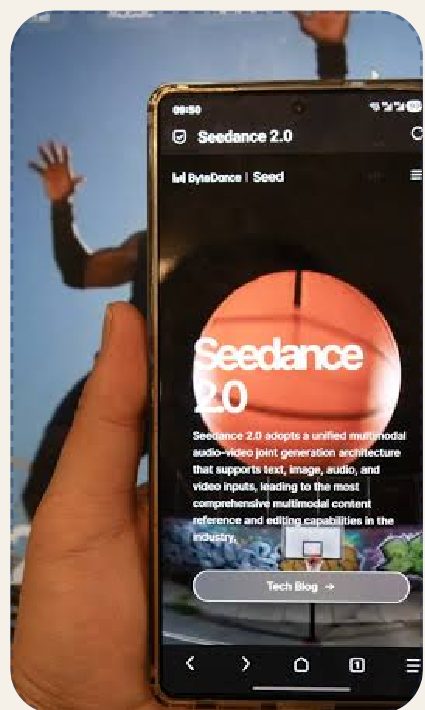
Launched in 2020, Volcano Engine is ByteDance's cloud platform, bringing the technology and tools used inside ByteDance to other companies. Short-form drama has become one of China's fastest-growing forms of mainstream entertainment, and Seedance, developed by ByteDance Seed, is one of the leading models pushing AI-generated video and multi-shot storytelling forward.
During the visit, participants will see how AI video moves beyond a product demo and into a real production workflow. The hands-on session will cover prompt design, shot planning, and output review, while the team shares what matters when generative video is used at scale, including speed, consistency, quality control, and delivery.
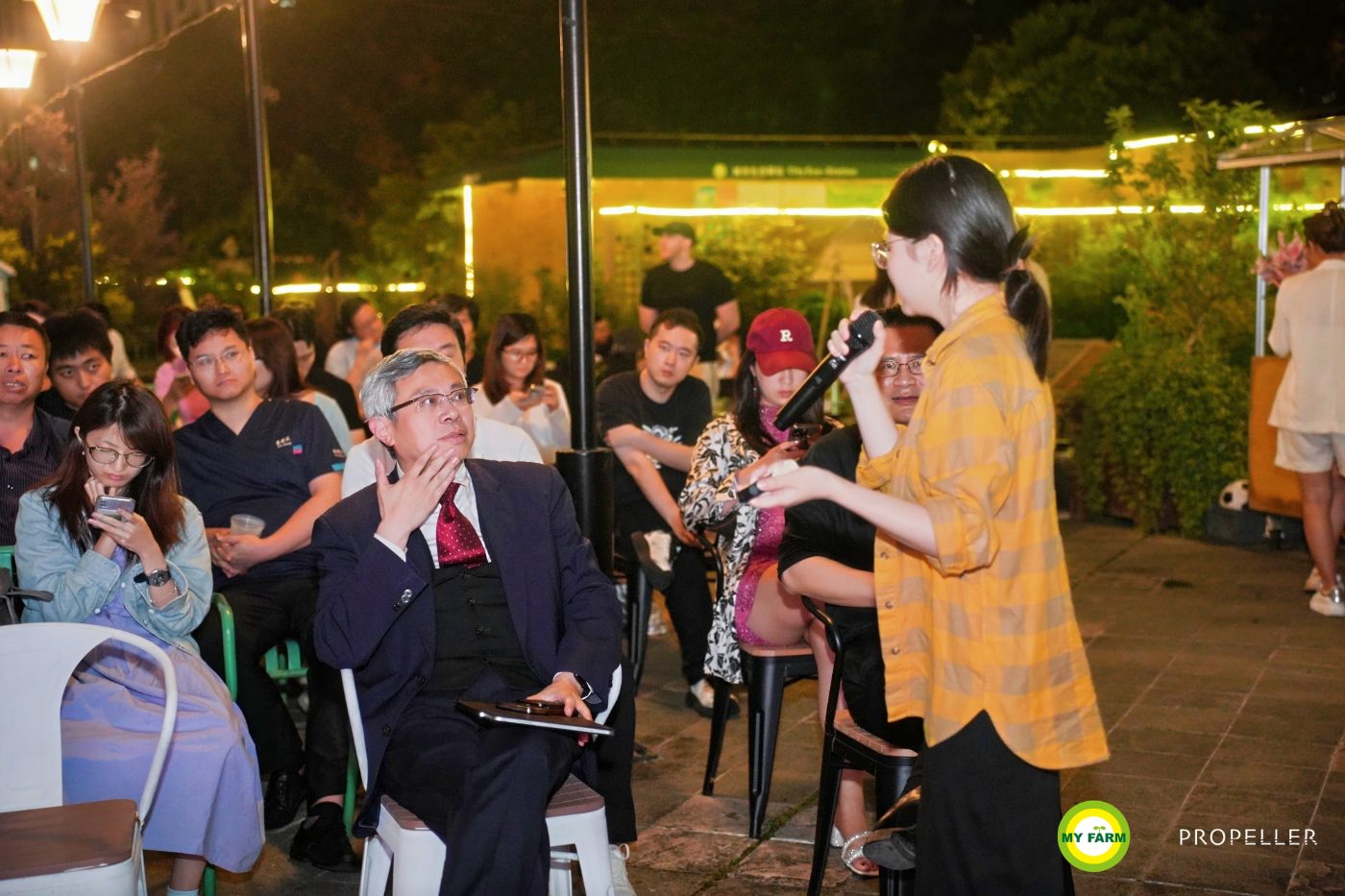
After a week of company visits, product demos, and research sessions, this roundtable gives the group space to step back and compare what they have seen from an investment perspective.
The discussion will focus on two questions:
· Where are the most promising opportunities for international investors in China's AI market?
· Which Chinese AI products, business models, or go-to-market strategies could work in overseas markets?
Investors, corporate venture teams, and founders will share how they think about technical strength, market timing, commercialization, and global potential. Snacks and drinks will be provided, creating a relaxed setting for open discussion, follow-up questions, and deeper conversations across the group.

We'll end the Shanghai week with a relaxed dinner together with participants, founders, and ecosystem partners. It is a chance to look back on the most memorable moments, share what surprised us, and continue the conversations that still have energy.
Over good food and drinks, the group can talk about which companies, projects, or people they would like to stay connected with. The Arch team will help follow up on the most relevant introductions after the program.
Developer Festival and Flexible Next Steps
As an optional extension to the core program, The Arch team will organize a developer festival featuring local builders, technical speakers, and product teams working with current AI tools. Participants can meet Shanghai's wider developer community, discover new projects, and continue conversations formed during the week. If you would like to share a topic or showcase your project at the festival, please contact us in advance.
Participants may also keep the day open for personal meetings, follow-up conversations, or independent plans. Those continuing into the following week can travel with The Arch team to Beijing and join the next stage of the program. Participation in all Day 7 activities is optional.
Join the Shanghai program
Pricing is confirmed individually following a short application review. To maintain a strong participant mix and a high-quality experience, our team will first speak with each applicant to understand their background and areas of interest before confirming participation and sharing the final fee.
Companies, funds, and institutions planning to join as a group are welcome to contact us to discuss a tailored group package based on team size and specific requirements.
* Limited to 20 participants.
Applicants provide a short background, details of their current work, and the questions they hope to explore.
Supported from arrival to departure
Fuxing Island will be the shared base for the Shanghai program, and accommodation is included. We recommend staying with the group because many of the most valuable connections grow outside the formal visits, during shared travel and evening conversations. Participants who prefer a different hotel or an upgraded room can discuss this with the team in advance, though joining the shared arrangement is strongly recommended. Daily transport details will be shared through the program group.
Airport transfers, local transportation, group meals, hosted dinners, and cultural activities are included. Chinese–English interpretation will be available during key visits and discussions.